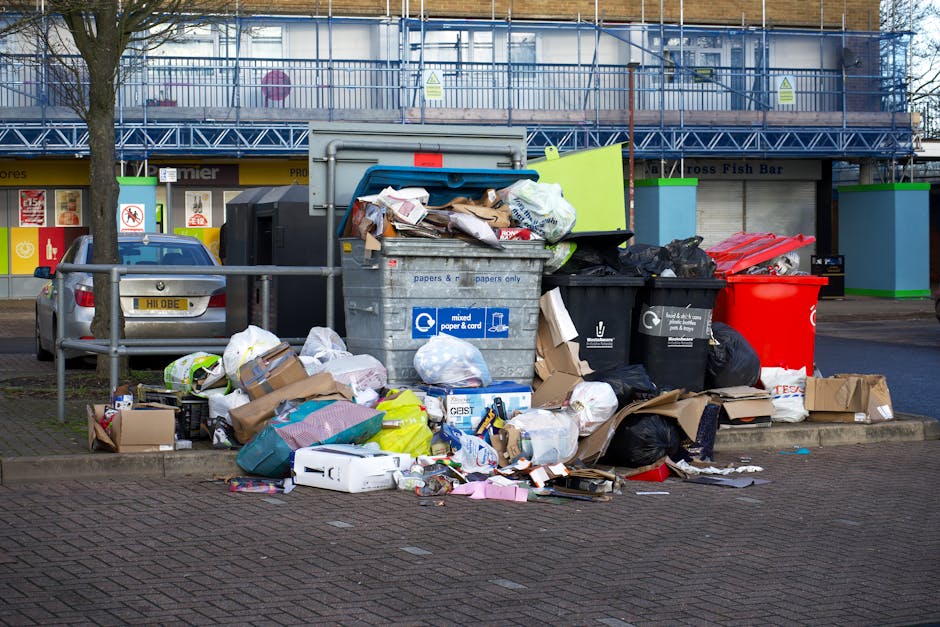
Tate Britain commercial rubbish removal for local shops: a practical guide for busy retailers
If you run a local shop near Tate Britain, you already know rubbish has a habit of building up at the worst possible moment. A delivery comes in, a display gets changed, a back room fills with broken packaging, and suddenly the space behind the counter feels smaller than it should. Tate Britain commercial rubbish removal for local shops is really about keeping that pressure under control: making sure waste is cleared quickly, safely, and without disrupting trading.
Done well, commercial rubbish removal is not just about "getting rid of junk". It helps shops stay tidy, reduce trip hazards, protect staff time, and keep the customer-facing side of the business looking calm rather than chaotic. Truth be told, a clean shop is easier to run. It feels better too.
In this guide, we'll walk through how the process works, what local shops should expect, where the common problems are, and how to choose an approach that fits your business. If you need broader support for ongoing trade waste, you can also look at business waste removal alongside one-off clearances.
Why Tate Britain commercial rubbish removal for local shops Matters
For shops near Tate Britain, waste management is part of day-to-day trading, not an afterthought. Footfall can be steady, deliveries can be frequent, and storage space is usually limited. If rubbish is left too long, it starts to spread into every spare corner: cardboard behind the till, broken shelving in the stock room, old promotional materials by the entrance, a redundant fridge or cabinet taking up half the back office. Before long, the whole place feels tired.
This matters because shop waste creates both visible and hidden problems. Visible problems affect the customer experience. Hidden ones affect efficiency, staff morale, and safety. A crowded back area slows everyone down. A blocked fire exit is more than inconvenient; it can become a serious issue. Even a few bags left by the wrong door can make a small shop feel awkward and unprofessional.
There is also a practical local angle. Businesses near a busy landmark like Tate Britain often need removals that work around opening hours, pedestrian traffic, and limited vehicle access. So the service needs to be flexible, not just fast. The best rubbish removal arrangement supports the rhythm of the shop, rather than barging into it.
If your waste is mainly recurring rather than one-off, it may help to compare commercial clearances with more routine options such as waste removal. The right choice depends on volume, frequency, and what exactly needs collecting.
How Tate Britain commercial rubbish removal for local shops Works
The process is usually simpler than people expect. In most cases, you contact a clearance provider, describe the waste, arrange a time, and let the team remove it from the shop or back-of-house area. Sounds easy, and often it is. But there are a few details that make the whole thing go more smoothly.
First, the provider will usually want to know what type of waste you have. That matters because mixed shop waste is not all handled in the same way. Cardboard, packaging, broken fixtures, worn furniture, and general rubbish may each need different sorting. If there is anything unusual, such as paint tins, damaged electrical items, or heavy display units, that should be made clear early on.
Second, access matters. Can a vehicle park nearby? Is there a narrow stairwell? Are there time restrictions? Shops near Tate Britain often have to think about loading conditions, nearby traffic, and customer flow. A good clearance arrangement takes those realities seriously instead of pretending they don't exist.
Third, the clearance team should confirm what is included. Is labour included? Is loading from inside the shop included? Will they separate recyclable materials? Will they provide a fixed quote or estimate? A proper service should make these points clear before anyone turns up with a van.
In some cases, the service may be combined with other commercial clearances. For example, if your shop shares a building with offices, or you are clearing a storage room above the premises, related services like office clearance or builders waste clearance may be relevant. Not always. But sometimes the mess is bigger than it first looks.
Key Benefits and Practical Advantages
Commercial rubbish removal is not glamorous. Let's face it, nobody gets excited about old packaging and broken shelves. But the benefits are real and immediate.
| Benefit | What it means for local shops | Why it matters in practice |
|---|---|---|
| More usable space | Back rooms and stock areas are cleared faster | Staff can move safely and store goods properly |
| Better shop presentation | Waste is removed before it spills into customer areas | The shop looks cared for, not cluttered |
| Reduced disruption | Collection can be timed around opening hours | You avoid awkward interruptions during trading |
| Safer working environment | Fewer trip hazards, blocked exits, and unstable piles | Staff and customers are less exposed to avoidable risks |
| Cleaner recycling outcomes | Materials can be sorted with sustainability in mind | You improve waste handling without making it your team's problem |
There's another advantage that gets overlooked: peace of mind. When rubbish is removed properly, the business feels more organised. Stock checks are easier. Cleaning is easier. Even the morning opening routine feels less rushed. A messy back room can create low-grade stress every day. Clear it out, and the whole mood shifts a bit.
For shops with used furniture, display counters, or old seating, it can also make sense to separate those items into a dedicated clearance route. The pages on furniture clearance and furniture disposal are useful if your waste is more bulky than usual.
Who This Is For and When It Makes Sense
This kind of rubbish removal is a good fit for small shops, boutiques, independent retailers, convenience stores, gift shops, salons with retail stock, cafes with display areas, and any premises that need occasional or regular waste cleared without fuss. It is especially useful for businesses that do not have enough storage room to hold waste for long.
You may need it after a refit, a change of stock, a seasonal reset, or a delivery error that leaves you with excess packaging and surplus materials. You may also need it after a period of trading pressure. That happens. One week the shop is fine, the next it's full of flattened boxes, chipped shelving, and a pile of "we'll deal with that later" items. Later comes fast, usually when you're busiest.
It also makes sense if your team is spending too much time dealing with waste instead of customers. If staff are dragging bin bags through the front entrance, or trying to fit bulky items into containers that were never designed for them, then you probably need a better system.
Shops that store stock in upper rooms or awkward side areas may also find linked services helpful. loft clearance can be relevant where surplus items are tucked away above the shop, while garage clearance may help where rear storage areas have become overflow zones rather than organised space.
Step-by-Step Guidance
If you want the process to feel calm rather than chaotic, it helps to approach it methodically. Here's a practical way to handle it.
- Identify the waste clearly. Separate cardboard, mixed rubbish, broken fixtures, old furniture, and anything unusual. If you're unsure whether something is recyclable or should go as general waste, make a note.
- Estimate the volume. You do not need to be exact, but a rough sense of how much space it takes up helps with planning and pricing. A few bags is very different from a full stock-room clear-out.
- Check access and timing. Think about loading restrictions, delivery slots, stairs, narrow doors, or customer traffic. If the collection has to happen before opening or after closing, say so early.
- Request a clear quote. Ask what is included, how loading works, and whether the waste will be sorted for recycling where possible. If something sounds vague, ask again. No need to be shy.
- Prepare the waste area. Move items into one accessible location if you can do so safely. The clearer the access, the smoother the clearance.
- Keep a record. For business purposes, it helps to keep note of what was removed, when it happened, and who handled it. That is useful for internal tracking and general peace of mind.
- Review the result. After the clearance, look at what caused the buildup in the first place. If the same issue keeps returning, maybe the storage or disposal routine needs adjusting.
A small practical point: do not wait until waste is stacked in front of the service counter. You'll regret it. Probably on a Friday afternoon, too.
Expert Tips for Better Results
From experience, the best shop clearances are the ones that start before the van arrives. A little preparation saves time and avoids those awkward "actually, that needs to stay" moments.
Keep reusable, recyclable, and general waste separate where possible. It makes the job cleaner and can reduce avoidable handling. Even a rough split between cardboard, shop rubbish, and bulky items is better than one mixed pile.
Think in zones. Front of shop, stock room, basement, back entrance, upper storage. If you know where the waste lives, the clearance crew can work faster and more safely.
Book around trading patterns. If mornings are your busiest time, ask for an afternoon slot. If deliveries usually come on Wednesdays, don't schedule a clearance for the same window unless you have no choice.
Ask about materials that need extra care. Some items are easy; some are not. Fridges, batteries, fluorescent tubes, and electronics may need separate handling. That's not being difficult. It's just proper practice.
Look at the whole waste picture. If you're clearing mixed items from a small shop, you may also benefit from the broader approach described in recycling and sustainability. It helps you think beyond "gone" and towards "gone properly".
Expert summary: The most efficient shop rubbish removal is the one that matches your trading pattern, respects access limits, and keeps recyclable material out of the general mess. Small details, big difference.
Common Mistakes to Avoid
Some problems come up again and again. None are dramatic on their own, but together they can turn a simple clearance into a frustrating one.
- Leaving rubbish too late. Once it blocks movement or storage, the job becomes slower and more disruptive.
- Assuming all waste is handled the same way. A mixed pile of cardboard, furniture, and electrical waste may need different treatment.
- Not checking access. A van cannot magically fit into a loading spot that does not exist.
- Forgetting about opening hours. A collection during peak footfall is nobody's favourite thing.
- Overloading staff with heavy lifting. If an item is awkward, heavy, or bulky, it is safer to ask for proper removal.
- Getting vague on price. If a quote is unclear, surprises are more likely later.
- Ignoring records. Business waste often needs a bit of paper trail, even if it is just for your own file.
One subtle mistake is treating waste clearance as a one-off emergency rather than part of shop management. If clutter keeps returning, there is probably a pattern behind it. Fix the pattern, and the stress drops quite a lot.
Tools, Resources and Recommendations
You do not need a complicated system to manage shop waste better. In most cases, a few simple tools are enough.
- Basic waste log: a note of what was removed, how much there was, and when it went.
- Labelled storage zones: separate areas for cardboard, reusable fixtures, and general waste.
- Measuring tape or rough volume guide: helpful when estimating bulky items for a quote.
- Photographs before collection: useful if you need to brief a removal team quickly.
- Staff checklist: keeps everyone clear on what can be left for collection and what must stay.
If your business regularly generates a lot of furniture or display waste, it may also help to compare your current setup with the more specific support offered by office clearance. Some shops have a back-office function that makes this surprisingly relevant, especially if storage doubles as admin space.
For customers who want to understand how the business handles jobs responsibly, it can also be reassuring to read the company background on about us and the practical details on insurance and safety. Those pages help build confidence before you book anything.
Law, Compliance, Standards, or Best Practice
Commercial rubbish removal for shops should be handled with proper care. While this article is not legal advice, there are some sensible UK best practices that business owners should keep in mind.
First, businesses are generally expected to ensure their waste is stored and removed responsibly. That means not leaving waste where it creates hazards, not disposing of items in a way that could cause nuisance, and making sure any contractor you use is suitable for the job. If you hand waste to the wrong person, that can become your problem too, so it is worth taking the check seriously.
Second, items such as electrical equipment, batteries, and certain fixtures may need separate handling. That is not just a neat-freak issue. It is part of sensible waste management and helps reduce contamination in recycling streams. Where something is uncertain, ask before collection rather than assuming it can go in with the rest.
Third, access and safety matter. A clearance team should work in a way that avoids blocking exits, damaging stock, or creating avoidable risks for customers and staff. If you are operating in a tight street near Tate Britain, this can matter more than people realise.
Best practice is simple: keep waste under control, choose a competent provider, and make the collection plan match the site conditions. Nothing fancy. Just proper, careful work.
Options, Methods, or Comparison Table
Local shops usually have a few different ways to deal with rubbish. The right one depends on how much waste you create and how often it appears.
| Method | Best for | Pros | Limitations |
|---|---|---|---|
| Routine bin collection | Small, regular waste | Simple and predictable | Not suitable for bulky or occasional large items |
| Ad hoc commercial rubbish removal | Overflow, clear-outs, one-off jobs | Flexible and fast | Needs scheduling and access planning |
| Combined waste clearance | Mixed shop waste, furniture, packaging | Convenient for bigger clean-ups | May require more detailed briefing |
| Specialist clearance for bulky items | Display units, shelving, old counters | Good for awkward or heavy pieces | Can take more coordination |
For a lot of independent shops, the answer is not one method forever. It changes through the year. A quiet month may need very little. A stock reset, renovation, or seasonal change can create a mountain. That's normal. The trick is matching the method to the moment.
Case Study or Real-World Example
Imagine a small shop close to Tate Britain that has just finished a seasonal window refresh. There are folded display boards, old signage, several bags of packaging, a damaged shelving unit, and a few bulky items that have been sitting in the back room for weeks because "we'll sort it next Tuesday". You know how it goes.
The owner does a quick sort: cardboard in one pile, reusable props in another, broken items by the back entrance, and one or two things set aside because they may be useful elsewhere. The team books a removal slot outside the main trading rush and gives access notes in advance. The collection is finished without blocking customers or forcing staff to carry heavy pieces through the shop floor.
The real win is not just that the rubbish is gone. The back room becomes usable again. Stock can be organised properly. The shop feels calmer. And the next delivery doesn't have to squeeze past a leaning tower of packaging. Small thing, maybe. But those small things shape the day.
Practical Checklist
Use this before booking any commercial rubbish removal for your shop.
- Have I listed the main waste items clearly?
- Do I know whether anything is bulky, heavy, or unusual?
- Have I thought about access, stairs, parking, or loading restrictions?
- Can the collection happen outside peak trading hours if needed?
- Have I separated recyclable materials where practical?
- Do I know what I want removed and what must stay?
- Have I asked what is included in the quote?
- Do staff know where the waste will be staged?
- Have I checked that exits and walkways remain clear?
- Do I need a record of the collection for business files?
If you can tick most of those boxes, the clearance is likely to go much more smoothly. If not, that's fine too. Better to pause for five minutes now than deal with a muddled job later.
Get a free quote today and see how much you can save.
Conclusion
Tate Britain commercial rubbish removal for local shops is really about keeping a busy retail space workable. It helps you protect time, improve safety, stay organised, and avoid the slow creep of clutter that makes even a good shop feel tired. Whether you are dealing with packaging overflow, old fixtures, or a bigger one-off clearance, the key is to plan it around how your shop actually runs.
Use clear briefings, sensible timing, and a provider that understands business waste, not just piles of rubbish. That combination makes the job faster, calmer, and more useful in the long run.
And if you do it properly, the result is one of those quiet wins that makes the whole week feel easier. Not dramatic. Just better. Which, to be honest, is often exactly what a local shop needs.
Frequently Asked Questions
What does Tate Britain commercial rubbish removal for local shops usually include?
It usually includes the collection and loading of shop waste such as cardboard, packaging, broken fixtures, old furniture, and general rubbish. The exact scope depends on the provider and the type of waste.
How is commercial rubbish removal different from regular bin collection?
Regular bin collection handles smaller, recurring waste. Commercial rubbish removal is better for bulky items, clear-outs, overflow waste, and one-off jobs that do not fit the normal routine.
Can shop waste be removed outside opening hours?
Often, yes. That is usually one of the biggest advantages for local shops. Early mornings, late evenings, or quieter trading windows can reduce disruption.
What should I do before the clearance team arrives?
Separate waste where possible, make access clear, identify anything heavy or unusual, and keep exits and walkways free. A little prep saves a lot of time.
Do I need to sort recyclable materials myself?
Not always, but it helps if you can separate cardboard, reusable items, and general waste. It makes the job cleaner and can support better recycling outcomes.
Is this suitable for small independent shops?
Yes. In fact, smaller shops often benefit the most because they have less storage space and less room to absorb clutter. Even a modest buildup can become a real problem quickly.
What if my shop has old furniture or display units?
Those items are usually handled as bulky waste or furniture-related clearance rather than standard bagged rubbish. It is best to mention them in advance so the collection is planned properly.
How do I know if the quote is fair?
A fair quote should explain what is being removed, what access is needed, and what is included in the service. If anything feels vague, ask for clarification before booking.
Are there compliance issues I should think about?
Yes. Businesses should make sure waste is handled responsibly and that any contractor is suitable for the job. Items like electrical waste or batteries may need separate handling, so do not assume everything goes together.
Can this service help after a refurbishment or shop reset?
Absolutely. A refurbishment, stock refresh, or seasonal reset can generate a lot of mixed waste very quickly. That is one of the most common reasons local shops book a clearance.
How can I keep shop waste under control long term?
Use a simple waste log, keep labelled storage zones, review what keeps building up, and schedule clearances before the back room becomes a bottleneck. Small routines make a big difference.
Where can I learn more about the company and related services?
You can review the company background on about us, service details through business waste removal, and wider standards on health and safety policy.