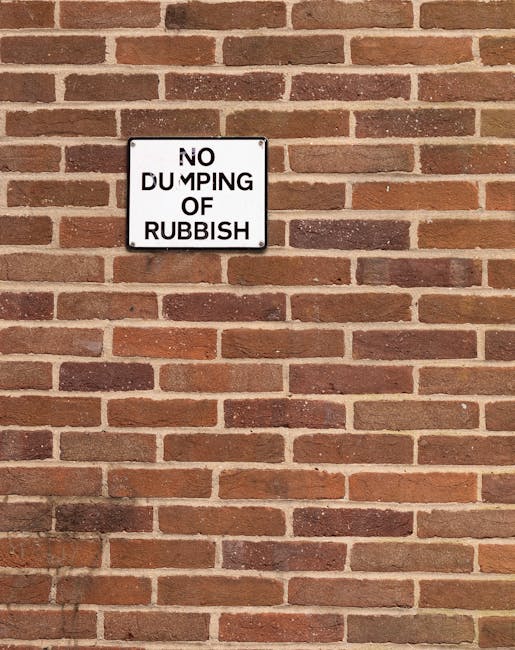
Westminster Council fines for illegal rubbish dumping Pimlico: what residents and businesses need to know
If you have been searching for clear advice on Westminster Council fines for illegal rubbish dumping Pimlico, you are probably dealing with one of two things: a messy fly-tip outside your property, or a nagging worry that waste left in the wrong place could come back to bite you. In Pimlico, where streets are tight, bin storage is limited, and one dumped mattress can ruin the whole feel of a road overnight, the issue is never just cosmetic. It can quickly become a compliance problem, a neighbour dispute, or an expensive lesson.
This guide breaks the topic down in plain English. We will look at what illegal dumping usually means, why Westminster takes it seriously, how fines and enforcement can work, and what sensible steps reduce the risk. You will also see how proper clearance and removal choices can save time, money, and a fair bit of stress. Let's face it, rubbish has a way of looking harmless right up until it is not.
Why Westminster Council fines for illegal rubbish dumping Pimlico Matters
Illegal dumping, sometimes called fly-tipping, is waste left where it should not be: on the pavement, beside communal bins, in an alley, outside a block, or in a quiet corner where someone hopes nobody will notice. In Pimlico, those places are often very visible. A single pile of broken furniture or builder's debris can create a chain reaction: blocked access, complaints from residents, pest issues, and pressure on local cleaning teams.
The reason Westminster Council fines matter is simple. The council is not just trying to tidy up after the fact. It is trying to stop people from treating public space like a spare skip. If waste is dumped illegally, the person responsible can face fixed penalties or further enforcement, depending on the circumstances. The exact outcome depends on what was dumped, where it was left, and whether evidence identifies the person or business behind it.
For residents, the risk is not always about intentionally fly-tipping. Sometimes people leave items "just for a bit" near a bin store, or hand waste to an unlicensed collector because it is cheap and convenient. That can still lead to trouble if the waste is found to be your responsibility. A polite assumption that "someone else will sort it" can become a very expensive one.
For landlords, letting agents, office managers, and small business owners, the stakes are even higher. Waste control is part of good management. If a property repeatedly attracts dumped rubbish, it can affect tenant satisfaction, appearance, and the general feel of the building. In a place like Pimlico, where people notice detail, that matters more than many realise.
Key takeaway: the best protection against council fines is not luck; it is traceable, lawful disposal and a clear paper trail. If you can show where your waste went, you are in a much stronger position.
How Westminster Council fines for illegal rubbish dumping Pimlico Works
In practical terms, council enforcement usually starts with identification and evidence. Officers may inspect the dumped material, look for names or addresses on packaging, check nearby CCTV where available, speak to residents, or investigate whether the waste was linked to a business, builder, or property clearance. If a responsible party is identified, the council may issue a penalty or pursue other enforcement action.
The process is often more straightforward than people expect. Dumped waste is rarely treated as a harmless inconvenience. If the council can reasonably connect the material to you, your property, your contractor, or your business, the issue may move quickly from complaint to fine. And yes, bags of rubbish with an address label in them are not the clever disguise some people imagine. Not even close.
There is also an important distinction between a penalty for dumping itself and the ongoing responsibility to remove waste safely. If waste is left outside a property because a collection was missed, or because someone placed items there without permission, the council may still treat the situation as a nuisance or environmental offence. So timing and ownership both matter.
Here is a simple way to understand how it tends to work:
- Waste is discovered in a public or shared area.
- Evidence is reviewed to identify who is responsible.
- Action is taken based on the type and scale of dumping.
- Removal or cleanup is arranged, sometimes alongside enforcement.
- Further steps may follow if the waste involved repeated, commercial, or hazardous dumping.
For many Pimlico property owners, the real issue is not the fine itself, but the aftermath: the time spent responding, the disruption to neighbours, and the worry that a small mistake might turn into a larger compliance headache. That is why prevention matters so much.
Key Benefits and Practical Advantages
Getting rubbish disposal right is not just about avoiding fines. It gives you cleaner surroundings, less risk, and far more control over costs. In a compact area like Pimlico, that can make day-to-day life noticeably easier.
- Less enforcement risk: Proper disposal reduces the chance of penalty notices and council complaints.
- Better reputation: Clean communal spaces help residents, landlords, and businesses look organised and responsible.
- Fewer neighbour disputes: No one enjoys arguing over whose sofa ended up by the bins.
- Lower pest and hygiene issues: Food waste and damp cardboard attract problems quickly, especially in warm spells.
- More predictable costs: Planned removal is usually easier to budget for than reactive cleanup after a complaint.
There is also a quieter benefit: peace of mind. When waste is removed properly, you do not spend the next week wondering whether that pile outside the block is going to come back to you. That alone is worth something.
If you are dealing with larger household items, mixed loads, or clearances after a move or refurbishment, it can help to use a service that handles different waste types responsibly. For example, a planned house clearance or flat clearance can reduce the temptation to leave items outside "for later", which is exactly where problems begin.
Who This Is For and When It Makes Sense
This topic matters to more people than you might think. It is not just for homeowners who have had a bad experience with a rogue waste collector. It also matters to anyone who handles property, renovation, tenancy changeovers, or day-to-day rubbish management in Westminster.
You may need this guidance if you are:
- a resident in Pimlico worried about what counts as illegal dumping;
- a landlord trying to avoid recurring waste issues around a block or terrace;
- a letting agent managing move-outs, abandoned items, or bulky rubbish;
- a business owner producing regular waste that needs lawful disposal;
- a builder or contractor dealing with rubble, packaging, or strip-out debris;
- someone clearing a property after a tenancy, inheritance, or long-term storage.
The situation often becomes urgent after one of a few familiar moments: a tenant leaves suddenly, builders finish late on a Friday, or the communal bins are already full and somebody says, "I'll leave it by the wall just this once." That phrase, as many people learn the hard way, is where the trouble starts.
If the waste is awkward, heavy, or simply too much for household bins, consider proper removal sooner rather than later. Services such as waste removal, builders waste clearance, or office clearance can be far more sensible than trying to improvise a solution on the pavement.
Step-by-Step Guidance
If you want to avoid getting caught up in Westminster Council fines for illegal rubbish dumping Pimlico, the best approach is systematic. Keep it simple, but keep it documented.
- Identify the waste type. Is it household rubbish, furniture, builders' debris, garden cuttings, or mixed waste? Different waste types need different handling.
- Check where it is going. Waste should only be left where a lawful collection or licensed transfer is arranged. Public land, shared paths, and bin stores are not a free-for-all.
- Use a traceable disposal route. Keep receipts, job confirmations, or written notes of who collected it and when.
- Separate reusable items. Furniture, fixtures, and household goods may need specific handling. Clear labelling helps.
- Avoid leaving waste outside "temporarily". Temporary often turns into abandoned, and abandoned is where fines begin.
- Confirm the contractor is proper for the job. Insurance, safety procedures, and responsible handling all matter.
- Follow up quickly. If waste is dumped near your property, report it promptly and document the issue with photos if appropriate.
One useful habit is to think in terms of ownership. Until waste is lawfully removed, you need to know who is responsible for it. That clarity saves a lot of awkward conversations later.
Expert Tips for Better Results
In our experience, the people who avoid fines are rarely the ones who know every detail of environmental enforcement. They are the ones who build a few solid habits.
- Book the removal before the pile grows. Once rubbish starts spreading across a hallway or courtyard, everyone gets casual about it. Then it gets ignored.
- Keep bulky waste out of sight until collection. A sofa left outside overnight can look like an invitation, not a plan.
- Use separate arrangements for different waste streams. Furniture, general waste, and construction debris do not always belong in the same process.
- Ask for clear terms up front. If you are using a clearance provider, make sure you understand what is included and how the waste will be handled.
- Check safety and insurance details. In narrow Pimlico streets and stairwells, poor handling can cause damage fast.
And a small but important one: if you are clearing a property after a stressful event, slow down for five minutes and write a list. It sounds almost too simple, but it stops a lot of rushed mistakes. Truth be told, people usually regret the rush, not the waste.
For items that need careful handling or staged removal, it may help to review options like furniture clearance, furniture disposal, or even home clearance if the job is broader than one room.
Common Mistakes to Avoid
A lot of enforcement problems start with seemingly small decisions. Here are the big ones.
- Assuming a bag beside the bin is acceptable. It often is not. Shared bin areas are not overflow zones by default.
- Using an unlicensed collector because they are cheap. Cheap can become expensive very quickly if the waste is traced back to you.
- Leaving items out before a collection window. If the appointment changes or the item is moved, it may be treated as dumped waste.
- Not keeping evidence. No receipt, no notes, no record? That is a weak position if anyone asks questions later.
- Mixing hazardous or awkward waste with general rubbish. This can create extra risk and extra cost.
- Thinking the issue will sort itself out overnight. Sometimes it does not. In fact, sometimes it gets worse before breakfast.
One of the most common pain points in Pimlico is space. Flats, basements, and communal entrances do not offer much margin for error. A pile that seems manageable at 6pm can become a blocked walkway by 8am. That is when neighbours complain, and once that starts, the tone changes.
Tools, Resources and Recommendations
You do not need fancy tools to handle waste properly. You need a practical setup and a bit of discipline.
- Photo record: take a quick picture before and after clearance, especially for shared or disputed spaces.
- Simple inventory: jot down bulky items, bag counts, or material types so nothing is forgotten.
- Clear labels: mark reuse, recycling, and disposal items separately where possible.
- Collection schedule: agree timing early, especially if access is tight or residents need notice.
- Service paperwork: keep confirmation of collection and any terms you accepted.
If you need a fuller service, it can be helpful to compare solutions rather than guessing. For a larger property with stored items, loft clearance or garage clearance may be the cleaner route. For work-related waste, business waste removal may be the right fit.
It is also worth reading the site's recycling and sustainability information if you want to make better sorting decisions. And if you are comparing providers, the pricing and quotes page can help you understand how jobs are typically scoped, while insurance and safety gives a useful sense of the safeguards a reputable service should have in place.
Law, Compliance, Standards, or Best Practice
Because this topic touches fines and waste control, compliance is central. In the UK, waste must be handled responsibly, and property owners, occupiers, and businesses all have duties that are easy to overlook when a space is busy or under pressure. Westminster Council's enforcement work is part of that broader framework.
Rather than trying to memorise legal wording, focus on three common-sense principles:
- Do not dump waste in public or shared areas.
- Only use proper, traceable removal routes.
- Keep records that show what happened and when.
Best practice also means being careful with property access, storage areas, and contractor behaviour. If someone working for you leaves rubbish on the street, the issue may still be linked back to your project or premises. That is why a clear process matters, even for small jobs.
If you are responsible for a workplace, it can be sensible to align waste handling with routine safety habits. A tidy back area, sensible access routes, and documented collection arrangements reduce the chance of complaints. Nothing glamorous there, just good housekeeping. And it works.
For more structured operations, you may also want to review health and safety policy guidance alongside your waste planning. It is not overkill; it is what prevents the small stuff becoming a big mess.
Options, Methods, or Comparison Table
Choosing the right route for waste disposal in Pimlico usually comes down to urgency, volume, and how much risk you are willing to carry. Here is a simple comparison.
| Option | Best for | Pros | Watch-outs |
|---|---|---|---|
| Council collection or approved local disposal route | Routine waste and standard household disposal | Clear process, lower risk, good for regular use | May not suit bulky, urgent, or mixed items |
| Professional clearance service | Bulky items, mixed loads, time-sensitive clearances | Faster, easier, less heavy lifting, better traceability | Needs booking and clear scope |
| Self-arranged transport | Small, lawful trips when you can manage them properly | Flexible and direct | Can go wrong if records, vehicle load, or disposal route are weak |
| Leaving waste near bins or outside a building | Nothing, really | None worth relying on | Highest risk of complaints, penalties, and neighbourhood friction |
If the job is commercial or repeated, a planned approach is almost always better than a one-off scramble. For example, a shop refit may need builders waste clearance, while a furnished office move may be better served by office clearance. Different jobs, different rules, same principle: make it tidy and traceable.
Case Study or Real-World Example
Imagine a small Pimlico flat being cleared after a tenancy change. There are two chairs, a broken desk, several bags of mixed waste, and a mattress that no one wants to carry down the stairs twice. The resident thinks about leaving the items beside the communal bins for the next morning's collection. It feels harmless enough at 7pm. By 9am, a neighbour has complained because the walkway is blocked and the mattress is wet from overnight rain.
Now the problem is larger. The waste is visible, the building management is involved, and someone has to prove whose responsibility it was. If a contractor was used but no paperwork was kept, the trail becomes murky. If the items were simply left outside without arrangement, the council or building management may view it as illegal dumping or improper disposal, depending on the exact facts.
A better approach would have been a scheduled clearance, with the items taken directly from inside the property or from an agreed collection point. If the job was bigger than expected, a provider offering flat clearance or furniture disposal would have reduced the risk and cleared the space in one go. Simple, really. Not always easy, but simple.
The lesson here is not that every piece of waste will lead to a fine. It will not. The lesson is that visibility, timing, and traceability matter a lot in Westminster. In a place like Pimlico, where people pass, notice, and speak up quickly, small shortcuts are rarely invisible for long.
Practical Checklist
Use this checklist before you leave any waste in or around a Pimlico property.
- Have I identified exactly what the waste is?
- Do I know who is responsible for it right now?
- Is the waste going into a lawful, traceable disposal route?
- Have I avoided leaving it on public land or beside bins without permission?
- Do I have a record of the collection or disposal arrangement?
- Have I separated furniture, builders' waste, and general rubbish where needed?
- Is there any hazardous or awkward material that needs special care?
- Will the waste be removed quickly enough to avoid complaints or obstruction?
- Have I checked access, parking, and stairway constraints in advance?
- Have I kept the area tidy while waiting for removal?
If you can tick most of those off, you are in much better shape. If not, pause and sort it properly before it becomes someone else's problem - and then yours.
Get a free quote today and see how much you can save.
Conclusion
Westminster Council fines for illegal rubbish dumping Pimlico are not just about punishment. They are a reminder that waste needs a proper route, even when the job feels small or temporary. In Pimlico, where space is limited and public visibility is high, leaving items in the wrong place can quickly cause complaints, enforcement attention, and unnecessary cost.
The good news is that most problems are avoidable. Keep records, book lawful removal, avoid putting waste out "for a minute", and choose the right clearance method for the job. That approach is calmer, cleaner, and usually cheaper in the long run. And it saves you from that sinking feeling when a neighbour knocks or a notice appears.
If you are handling bulky items, mixed waste, or a property clear-out, a planned service is often the easiest next step. If you want a better understanding of the company behind the work, you can also review the about us page before making a decision. It is always nicer to know who you are dealing with.
Frequently Asked Questions
What counts as illegal rubbish dumping in Pimlico?
Illegal dumping usually means leaving waste in a place where it is not authorised to be, such as a pavement, alley, communal bin area without permission, or roadside spot. It can include black bags, furniture, builder's debris, or mixed household waste.
Can Westminster Council fine me if someone else dumped waste near my property?
Possibly, but it depends on the evidence and the facts. If waste can be linked to your property, contractor, or business, you may still face questions. That is why records and traceability matter so much.
How can I avoid being blamed for fly-tipping?
Use a lawful disposal route, keep receipts or written confirmation, and never leave waste in a public or shared area without proper arrangement. If a contractor takes the waste, keep their details and the job notes.
Is putting rubbish beside the bins allowed if the bin store is full?
Usually no, not unless there is an agreed collection arrangement. A full bin store is frustrating, but it does not automatically make the pavement an acceptable backup.
What should I do if I find dumped rubbish outside my building?
Document it, avoid moving it if it may be evidence-related, and report it through the proper local process. If it blocks access or creates a safety issue, act promptly.
Do bulky items like sofas and mattresses need special handling?
They often do, in the sense that they are too large for normal household disposal. A planned clearance is usually the simplest option, especially in flats and narrow streets.
What is the safest option for builders' waste in Westminster?
A controlled, traceable removal route is best. Builders' rubble, packaging, and strip-out materials should not be left on the street. Using a dedicated builders clearance service is often the cleaner solution.
Can a business be fined for rubbish left outside its premises?
Yes, if the waste is considered the business's responsibility or is linked to its activities. Commercial waste should be handled with particular care because the expectations are higher and the evidence trail matters more.
How quickly should I remove waste after a move or refurbishment?
As soon as reasonably possible. The longer waste sits out, the higher the chance of complaints, weather damage, and mistaken assumptions that it has been abandoned.
Is it worth using a professional clearance service instead of doing it myself?
Often yes, especially for bulky, awkward, or mixed waste. A professional team can reduce lifting, speed up the process, and provide a more traceable disposal route. For many people, that peace of mind is the real value.
What are the biggest mistakes people make with rubbish in Pimlico?
The biggest ones are leaving waste outside too soon, using untraceable collectors, and assuming communal or pavement space is a temporary storage area. Those shortcuts are exactly what get people into trouble.
Where should I start if I need help with a cluttered property?
Start by separating what can be reused, what must be removed, and what needs special handling. Then choose the service that matches the job, whether that is home clearance, house clearance, or a more specific option such as loft clearance.
If you are comparing providers, it is also sensible to look at recycling and sustainability and payment and security so you know how the service works before committing. A few minutes of checking now can save a lot of annoyance later.
Most of all, do not let the clutter win. Sort it, schedule it, and move it on properly. That small bit of order makes everything else feel lighter.